As a homeowner, you may be eager to build and renovate your property. A fence or retaining wall can add value to your BC home and create privacy in your yard or conquer tricky terrain. Yet, with so many rules and regulations concerning the construction of a fence, it can become quite daunting to know where to begin.
This article will provide an overview of the legalities of BC fencing and retaining walls, including BC bylaw responsibilities, regulations, and considerations to help you get started.
What to know
A homeowner must be aware of local bylaws when working on their property or hiring local companies. Bylaws are there for the protection and safety of everyone in the neighbourhood, and failure to abide by them can result in hefty fines. Before beginning construction, local governments may require a homeowner to obtain a building permit or other licenses specific to their municipality. Unless a homeowner signs off on a business, acting on their behalf, and retains written acknowledgment, the homeowner can be liable.
BC Fencing & Retaining Wall Regulations
All new fences and retaining walls in BC must follow local zoning rules. These rules cover where you can build, how tall it can be, what materials it’s made of, and why it’s needed. Fences are usually built for privacy reasons or safety. Retaining walls must be carefully constructed because they hold back a lot of weight. If a fence or wall fails, it can cause serious damage or injury. That’s why adhering to local zoning bylaws is essential.
Starting a Project
The first step when starting a new fencing project is to research the fencing and retaining wall rules in your municipality. You want to be utterly prepared so you can properly plan your project while being compliant with the local laws.
Here are a few BC fence & retaining-wall bylaws you need to know:
Fence Height refers to the maximum height of your fence. This can vary depending on where the fence is located on your property. For example, front yard fences usually have different height limits than backyard fences. Corner lots near intersections may also have special rules. These fence height limits are mainly in place to keep people safe and make sure drivers can see clearly.
Retaining Wall Height bylaws set the maximum height at which you can build a wall, with or without a permit or engineering approval. Each city or town has its own rules because soil type and water drainage can affect how much pressure a wall can handle. If a wall isn’t built properly, it can collapse and become a safety hazard.
Setbacks & Buffers are extra rules that affect how and where you can build a fence or retaining wall. They often relate to height and placement, especially near corners, intersections, alleyways, or front yards. These fence rules help keep sightlines clear and improve safety for drivers and pedestrians.
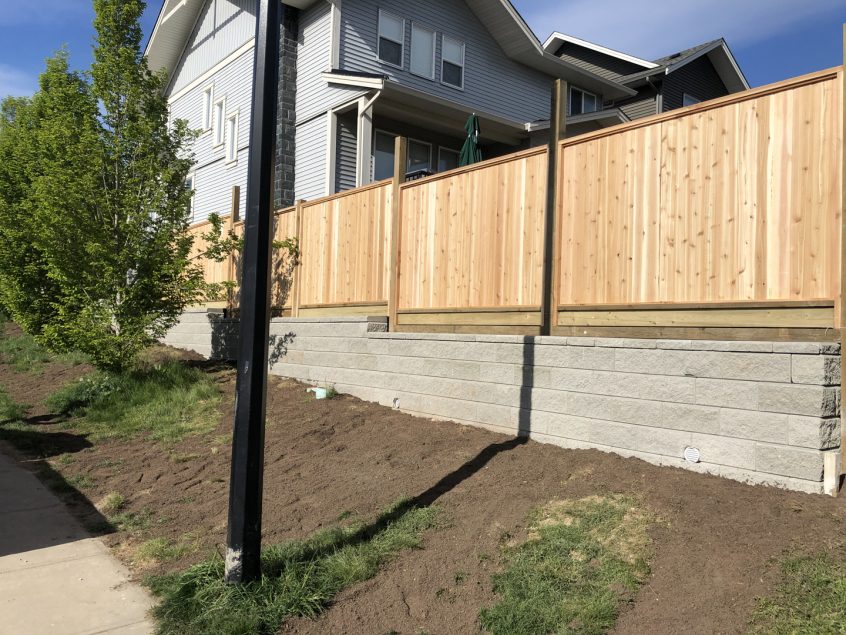
Fence & Retaining Wall Integrated Systems are an important safety consideration. If a fence is built close to a retaining wall, especially in the same line, it can create both safety and structural risks. In these cases, fence height limits may be adjusted for better visibility, or certain fence styles may be required. The fence design might also need extra support to handle the added pressure the fence puts on the wall.
Retaining Wall Tier Rules: These rules guide how to build multiple retaining walls one after another. They often set a ratio between the height of each wall and the space between them. These rules work alongside retaining wall height bylaws and vary a lot depending on the city or town.
Main Road/Highway Noise Reduction Allowance: If your home is next to a busy main road or highway, you may be allowed to build a fence up to 8 feet tall to help reduce noise. This rule isn’t always well-known, so it’s important to check with your municipality. If you qualify, make sure to get written approval.
Do I Need a Permit?
It is critical to consider all these factors when you plan on constructing a fence or building a retaining wall. In most cases, obtaining a permit from the local municipality will not be required as long as you comply with their regulatory bylaws. If your project requires a permit according to your municipality’s bylaws, you may want to seek out professional assistance unless it falls under the scope of work that is exempt from the permit requirements.
Additional Considerations
When building a fence or retaining wall, it is important to remember to respect your neighbours’ property rights. Fences may not be built on a neighbour’s property or used to encroach upon another person’s yard. In addition, homeowners must be sure to properly maintain their fences and retaining walls to ensure their longevity.
By understanding the legalities of BC fencing and retaining walls, you can start your project with confidence. When you’re armed with this knowledge, you can make sure your project follows the rules and is safe for those around you.
Next Steps
Planning ahead and researching the fencing and retaining wall rules in your municipality is always a great first step to the construction process. If you want your project to go smoothly, stay compliant with local laws. It’s also beneficial to comply with local bylaws if you ever want to sell your home. Home inspectors may not approve fences that aren’t up to code. Knowing this information can not only save you time and money, but it can also help ensure that your fence or retaining wall system is safe and secure. When in doubt, contact a professional at Frontline Fencing for advice on the best possible solutions for your fencing and retaining wall project. We are always happy to help!
For expert advice on your project, contact us today at 778-347-9473 or schedule an in-person consultation by clicking here.