
What Are The Benefits, Rules, and Design Tips
If you have an in-ground pool, adding a fence around it is a critical step in ensuring safety, preserving privacy, and meeting many local legal requirements. Like all things regarding building on your property, aesthetics matter too. Creating your backyard swimming pool and outdoor area means choosing the right pool fence that offers both your style and functional needs.
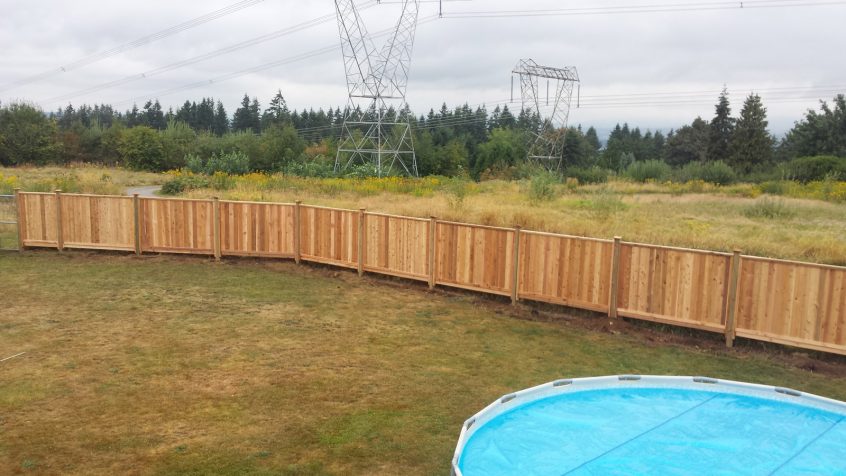
There are many fencing options available in today’s market; however, cedar stands out as a top choice for homeowners looking to build pool fences. Let’s dive into why cedar is a great choice for pool fencing, what regulations you need to follow, design ideas to suit your space, and what to expect in terms of cost and installation.
Why Cedar? The Benefits of Cedar Wood for Pool Fences
When it comes to choosing fencing materials that can stand up to moisture, changing weather, and years of wear, cedar wood panels stand out amongst the others.
A cedar fence around a pool provides the following:
- durability
- a visually appealing yard
- protection with low maintenance
Western red cedar, in particular, is prized for its dimensional stability and strength. It resists warping and shrinking and performs well in fluctuating temperatures, making it one of the most durable wood types for pool fences. Cedar is also a sustainable choice, harvested from renewable sources and biodegradable over time.
Visually, cedar offers a timeless look. Its rich tones and visible grain add warmth to any space and blend seamlessly with patios, decks, and landscaping. Over time, if needed, cedar can be stained to maintain its original hue, or you may choose to let it age naturally and fade into the background.
One of cedar’s most significant advantages is its natural resistance to rot, insects, and moisture. This makes it well-suited for outdoor environments, particularly near water. Cedar wood has built-in oils that deter pests and prevent decay, which means you won’t need to treat it with harsh chemicals like you might with other types of wood fences.
With its durability, low maintenance, and beauty, cedar is an excellent material for building a fence around your swimming pool.
Pool Fence Safety Requirements You Need to Know
Before installing any pool fence, it is essential to understand your local bylaws. Regulations may vary from city to city, but most follow similar safety standards. These are in place to prevent accidents, after all, when it comes to the pool, safety is key.
Here are some key requirements:
- In most areas, pool fencing must be at least four feet high.
- You cannot have any gaps large enough for a child to pass through.
- Gates should be self-closing and self-latching, with the latch positioned out of reach of small children.
- The fence itself should not have climbable elements, such as horizontal rails on the outside or gaps in the panel design.
Following these guidelines is not only about safety but also legal compliance. It’s important to always check your local building codes and zoning regulations before starting your project. This is often covered by working with a reputable fencing company with high-rated reviews and accreditation. Failure to meet pool fence requirements can result in fines or liabilities in the case of an incident.
Choosing a well-constructed cedar fence that meets all safety standards ensures peace of mind while still giving you the visual appeal and quality you expect.
Design Options for Cedar Pool Fences
Cedar pool fences can be customized to fit your outdoor area. There are many design options available.
Vertical vs. Horizontal Boards
Vertical panel designs are the most traditional and offer a classic appearance that is popular amongst many pool owners. They offer a lot of privacy, are easy to comply with pool safety regulations, and still offer options for customization to look and appeal. Horizontal designs are safe to use when there are no climbing elements like in tongue-and-groove or shiplap profiles.
Privacy vs. Airflow
Solid cedar fence panels are ideal for creating a private, enclosed pool area. This is great if the goal is full coverage, noise reduction. Within this, you can play around with a more open layout, slatted designs, or opt for semi-private panels with alternating pickets to strike a balance.
Decorative Elements and Landscaping Integration
You can add a touch of personality by going with top caps, trims, or lattice detailing. These custom details can add character without compromising on structural integrity. Western red cedar lends itself easily to detailed carpentry.
No matter what option you choose, your cedar pool fence can tie the entire area together in both form and function.
Cost Breakdown: How Much Does a Cedar Pool Fence Cost?
When budgeting for your cedar fence around a pool, there are several considerations that can affect the cost. Typically, you can expect to pay between $48 and $120 per linear foot for a professionally installed cedar pool fence.
The final price depends on the fence height, style, post materials, material size, cedar grade, pre-stained options,setting methods, and whether you’re installing custom gates. A horizontal cedar fence or one with decorative panels may increase the price slightly due to additional craftsmanship and customization. Automation and hardware types will also increase cost.
It’s truly best to get a free estimate, go over all of your options to get a sense of the cost.
Of note: Compared to vinyl or aluminum fencing, cedar offers lower upfront material costs but may require occasional sealing or staining. However, its long lifespan and natural durability can reduce the need for frequent replacements, keeping long-term maintenance costs relatively low.
Installation Tips: DIY vs. Professional
Installing a cedar pool fence may seem like a manageable DIY project; however, due to the safety regulations, design requirements, and tools needed, sometimes calling a professional is best.
If you’re taking the DIY route, it’s advised that you are well prepared with the right tools, and have done your research, as well as property bylaw checks. Tools you need can change depending on site conditions:
- A post hole digger is commonly used but a concrete drill may be necessary for concrete mounted methods. ( Be sure to avoid drilling electrical or pool plumbing components.)
- A standard level may be appropriate in small runs, but a laser level is most appropriate.
- Hammers or screw guns can be used, but air gun systems are necessary for suitable hardware on cedar wood like stainless steel staples..
Professionals will ensure proper post placement, design, and structural support, especially around pool edges where the ground may be filled with obstructions. You can rest assured that those safety standards will be covered. You also avoid the need to fix mistakes, as professionals have the tools and knowledge for accurate measurement and craftsmanship.
Whether you build it yourself or rely on expert installation, planning will ensure your fence is built to last for many years and passes all safety requirements!
Get Your Pool Fence Project Underway, The Right Way
A well-designed cedar pool fence offers more than just protection for your friends and family. It elevates and improves the look of your property, adds privacy, and offers added enjoyment for many years. With natural resistance to rot and moisture, a cedar wood fence is built to last through changing seasons.
If you’re ready to explore your options or get a quote, contact the team at Frontline Fencing. From cedar fence panels to custom installations around swimming pools, we bring quality craftsmanship and expert service to every project.
For more ideas or help with building your fence, reach out to Frontline Fencing for a free estimate: 778-347-9473