Take a closer look at vinyl fencing profiles, colours, and post spacing.
If you are building a new fence or upgrading an old one, there are two things most people think of: how it will look and whether it will fit the purpose. However, choosing your fencing goes beyond just choosing a material for your fence panels.
The trick to building a new fence is balancing the aesthetics of your fence panels against your other fencing needs, the checklist being: strength, performance, and durability. The design details you like, the profile you pick, the colour you choose, and even how far apart your posts are, all play a role in the overall durability and function of your front or backyard fence.
So, if you’re debating between a horizontal cedar fence and a low-maintenance vinyl option, understanding these key considerations will help you make the right decisions: fence profiles, colour, and post spacing.
Fence Profiles
Just like wood fences, vinyl fencing also comes in a range of profiles to suit your lifestyle and needs. Whether you need increased privacy, better airflow, or you just want to enhance your property’s curb appeal, your choice of profile will impact not just how your fence looks, but how well durable it is over time.
Privacy Vinyl Fences
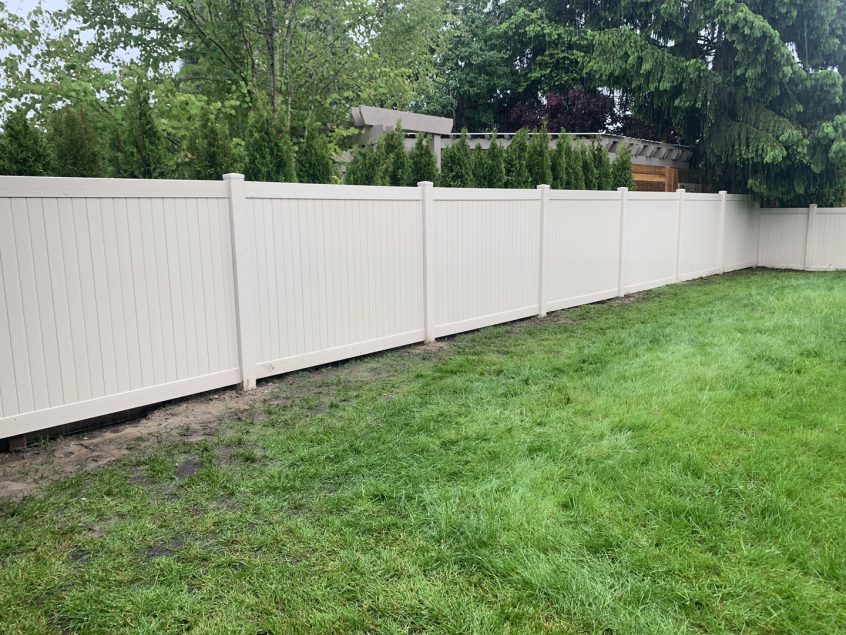
These are full-panel fencing designs that provide a solid barrier. You commonly see them in pool areas, as garden fences, and in backyards where privacy matters most. Similar to a wooden fence made with cedar panels, privacy-style vinyl fences stand tall and strong, especially when supported by steel posts or reinforced rails.
Picket-Style Vinyl Fences
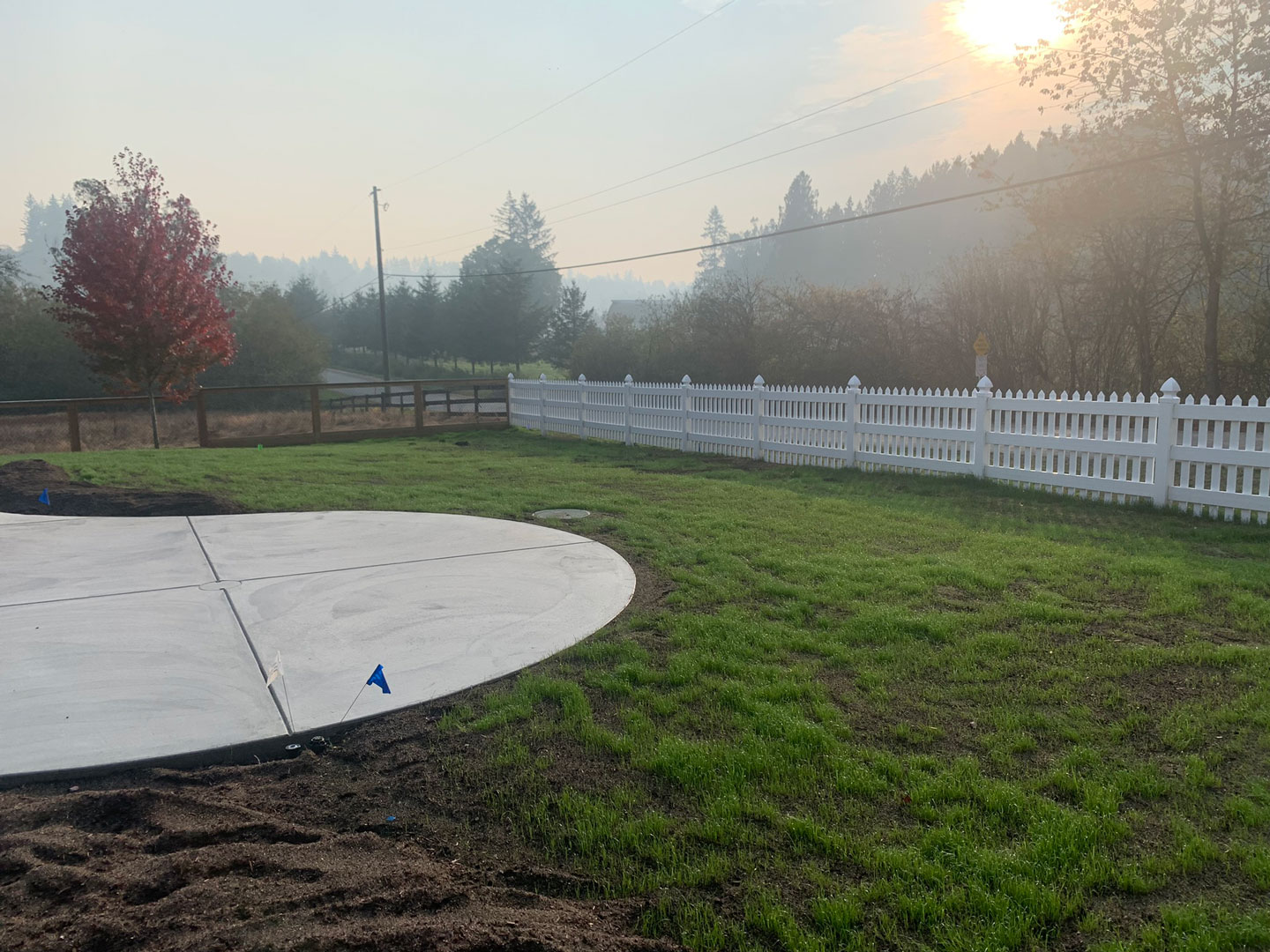
This profile features evenly spaced vertical pickets and gaps, and is a very classic style, which mimics a traditional cedar fence. It offers light visibility and airflow, great for front yards or garden design areas where you want to elevate the aesthetics and landscaping.
Semi-Privacy Vinyl Fences
Offering the best of both worlds, semi-privacy profiles can alternate between narrowly spaced pickets to provide a more moderate screening and aesthetic, or look like a classic lattice top fence panel. They create a balanced feel between seclusion and visibility that’s perfect for side yards or shared spaces. Like overlapping pickets in a wood fence, these vinyl fence profiles let in light without exposing your entire space.
Ranch Rail Fences
Ranch rail vinyl fences are often used on larger properties, such as in rural areas for example. There is wide post spacing and horizontal rails, which leads to a very open design layout. For homeowners considering wood alternatives, a vinyl rail profile captures the country charm of western red cedar without the upkeep associated with it.
Fence Colour
Vinyl fencing is available in a wide variety of colours. While white remains the most popular choice for garden fences and residential yards, many homeowners opt for colours that complement their cedar wood decks, horizontal fences, or siding to make the best decision for the home.
Having said that, choosing colour isn’t just about looks; heat resistance also comes into play. A darker vinyl shade will absorb more heat, which can lead to warping, sagging or expansion over time, especially in areas exposed to constant sunlight or near reflective surfaces like windows. If you’re choosing a darker vinyl, ensure your fence includes reinforcements, such as steel or metal inserts, to maintain its shape.
Tip: If you’re replacing cedar fence panels and love the look of wood fences, you can look for vinyl options with a wood-grain finish for your fence panels. This will provide that natural beauty charm without having to worry about rot, stain, or weather damage that sometimes comes with cedar wood fences.
Post Spacing
Vinyl fences may look clean and seamless, but how your fence is actually constructed makes all the difference, especially when it comes to post spacing.
Wider post spacing can reduce material costs, but it may also weaken your fence’s structure and sturdiness. In regions like BC, where wind and weather are harsher, it’s essential to use proper stiffeners and opt for increased stability. Some vinyl fencing systems only use the vinyl material itself. Others use vertical or horizontal reinforcements, that include metal bar inserts or steel posts and sleeves, for additional durability.
TIP: If you’re comparing vinyl with traditional wood fences (i.e. cedar fence panels and wood posts), know that vinyl fences rely more on internal support and/or quality of material. Always ask your fence installer about the type of reinforcements included in your fencing materials.
Choosing Between Cedar and Vinyl? Ask The Experts
Cedar fence options (specifically those made from premium western red cedar) are widely known for their natural beauty and curb appeal. But if you’re looking for minimal upkeep and consistent appearance, vinyl may be the right fit. Both come in horizontal or vertical layouts, and both can be customized to match your outdoor space.
Still deciding between fencing options? Let the team at Frontline Fencing help.
We walk you through the benefits of each material: vinyl, wood, chain link fence solutions, cedar fence panels, and more. Our mission is to ensure you choose the vertical or horizontal fence that works best for your property, goals, and budget. Whether you’re planning a fencing project around your yard, garden, or patio, or for added security, our professional installation services are here to guide you every step of the way.
For more ideas or help with building any of these structures, reach out to Frontline Fencing for a free estimate: 778-347-9473