
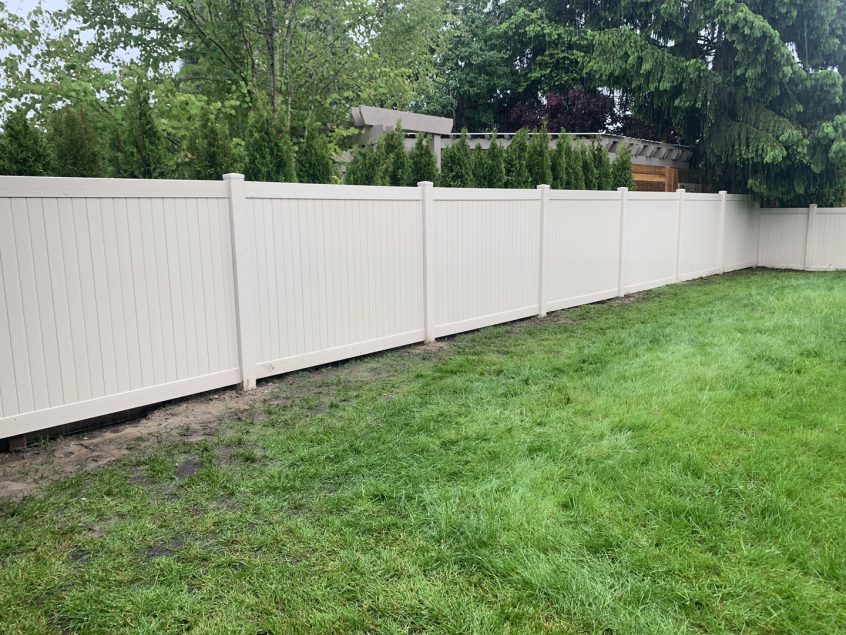
Fences can serve as an important source of safety measures and privacy, but they can also lead to conflict between neighbours just as easily. Disagreements can happen about where the property line is, what kind of fence to build, or who should pay for it. To prevent problems from occurring with your neighbour, read this blog to learn how to handle fence-related issues.
Where to start?
Before building a fence, it’s important to treat the project seriously. You may plan to do it yourself or hire a local fencing company; either way, think of it like a business deal:
- Have clear communication
- Make a solid plan
- Write down all the details before any work begins
Then start by talking to your neighbours with whom you share a property line. Even if the fence will be built entirely on your side, it’s respectful to let them know what’s going on.
Fencing without your neighbours’ input can lead to misunderstandings. It’s best to agree on the type of fence and how the costs will be handled together. Being open with your neighbours helps avoid future issues. It also shows you care about maintaining a positive relationship, which makes for a better neighbourhood for everyone.
- Gather personal information from everyone involved in the project. This should include each person’s legal name, email, address, and phone number.
- Discuss the type of fence you’d like to install along the property line. You and your neighbour might not agree on everything, but this is a good chance to negotiate, especially if you have a specific fence design in mind and want to build directly on the property line.
- Put everything in writing. Send your communication by mail or email, and always keep copies. It’s essential to document your conversations, particularly for projects that may involve legal issues. Verbal agreements are harder to prove later on.
- Create a cost estimate for the project. If you’re doing the work yourself, include the price of materials, tools, delivery fees, labour, and your time. This helps everyone understand what’s involved.
- Talk about payment responsibilities. Make sure it’s clear who will pay for what, including long-term maintenance or fence repairs.
- If hiring a local fencing company, review the contractor’s written estimate together. Confirm that all parties are listed and that costs are broken down clearly. If your neighbour agrees to the plan, obtain their written approval.
Get, or Pay, a Deposit
- If you’re doing the installation yourself or hiring a fence installer, a deposit shows commitment. It serves as a good-faith payment, demonstrating that everyone involved is committed to moving forward.
A deposit confirms intent.
- Once money is exchanged, it confirms that both sides are ready to proceed and helps protect you from someone backing out last minute.
This is especially important with multiple neighbours.
- If you can’t afford the full cost on your own, you need to make sure your neighbours are legally tied to the project. Without a deposit or written agreement, you could end up stuck paying for everything yourself.
Exercise caution when paying a deposit to any fencing company: If they are unable to provide you with a documented estimate, contactable references or reputable testimonials, and demonstrate proficient knowledge of local regulations pertaining to fence construction, then do not pay the deposit.
Call before you dig: Before starting your fence project, protect yourself from unexpected costs or accidents by contacting BC 1 Call at 1-800-474-6886.
Know what’s underground: Pipelines, cables, water lines, sewage pipes, and electrical wires could all be buried on your property. Digging without knowing what’s below can be dangerous and expensive.
Planning ahead keeps your project safe: Getting this information early helps you avoid damaging utilities and ensures your fence installation goes smoothly.
Liability
As the homeowner, you are fully responsible for getting consent before starting any fence installation, even if you hire a local fence company. The company is simply doing the work on your behalf, but you remain liable for any damages or unexpected costs. If you take on a project involving multiple neighbours without having their legal agreement, you may be held accountable for the entire project cost or other expenses. It’s also essential to comply with all local regulations and building codes. If the project doesn’t meet these requirements, any homeowner involved may be responsible for paying fines or penalties. A professional fencing company can help guide you through local bylaws to make sure everything is done properly.
Key Takeaways on Fence Installation, Cost, and Responsibility
Installing a fence with your neighbours can be simple when handled professionally. Start by opening up clear communication and agreeing on the project or type of fence, cost estimates, and who will pay for what. Keep a written record of all discussions to avoid future misunderstandings. Make sure everyone involved is clearly identified and that responsibilities are shared fairly. Remember, as the homeowner, you’re ultimately responsible for the project, including any damages or unexpected costs so always call before you dig.
Want support with your fencing project? Call Frontline Fencing to get started today!
FAQs
What should I do if my neighbour doesn’t want to pay for the fence installation?
If your neighbour refuses to pay for their part of the fence installation, you may need to take legal action. You could take them to small claims court or contact a lawyer for advice.
What can I do if I’m unable to communicate with the homeowner of adjoining properties, but I want to begin the fence installation?
The fastest solution would be to have the fence installer put the new fence on your side of the existing fence. This is usually not the ideal choice, and you may insist on having it on the property line. In this case, you will need to take extra steps to ensure that the fence installation is handled properly. While we cannot provide professional legal counsel, a total assessment by local authorities could comprise an evaluation of communication attempts, multiple quotes analysis and lastly a legitimate meeting to sort out responsibilities; likely through the court system.
Can I hire a fence installer without my neighbour’s consent?
Although no, you should not hire a fence installer for a fence on the property line without your neighbour’s consent, that doesn’t stop you from doing it or the fence installer from installing a new fence. Fences on property lines are generally considered a jointly owned structure and require permission from all parties that will be affected by the installation in order to proceed. Should you proceed without consent, they may not be responsible for paying and may potentially have grounds for legal action.
How can I get a hold of the homeowner of adjoining properties to begin planning my fence installation?
Placing mail with the title of “The Landlord of” or “The Homeowner of” (followed by the address) at adjoining properties is typically reliable, but there’s no guarantee on how long it will take to get through. Another approach would be to check public records for a home’s ownership details.
How can I determine if the fence is located on the property line?
Usually, there are thin iron property pins that show where the land plot starts and ends. You can use a metal detector and shovel to find them pinned at the corners of your lot. If you want to be sure, you can look up the land survey for the property at the BC Land Title Authority. If there is no survey, you can hire a BC land surveyor to locate the property line for you.
How can I file a dispute with my neighbour regarding the fence installation and placement of the fence on my property?
If a fence encroaches upon the adjacent land of your neighbour, you can submit an application by petition to the British Columbia Supreme Court. In as little as one or two months, you may be able to obtain a hearing. This route is often quicker than pursuing legal action from start to finish.