
Why Your Cedar Fence Deserves Proper Care
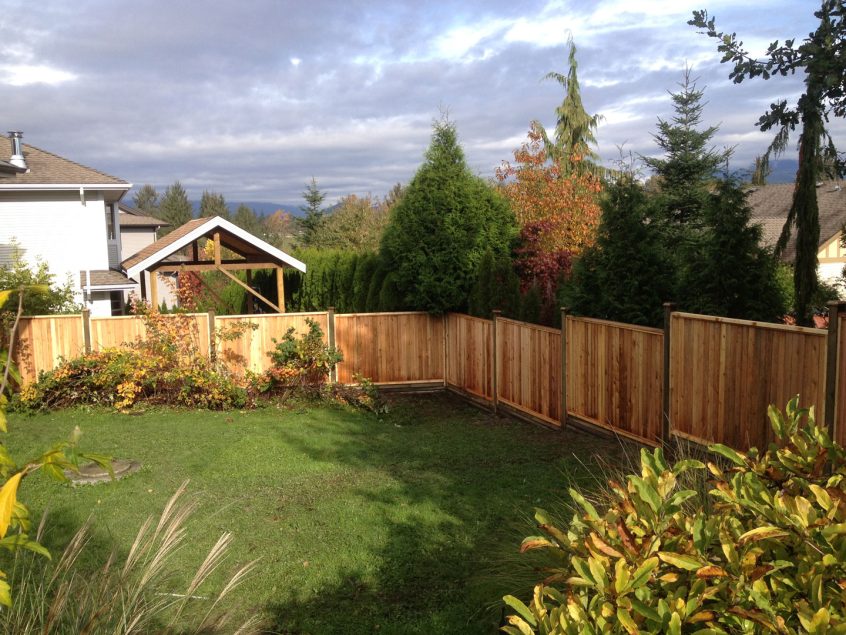
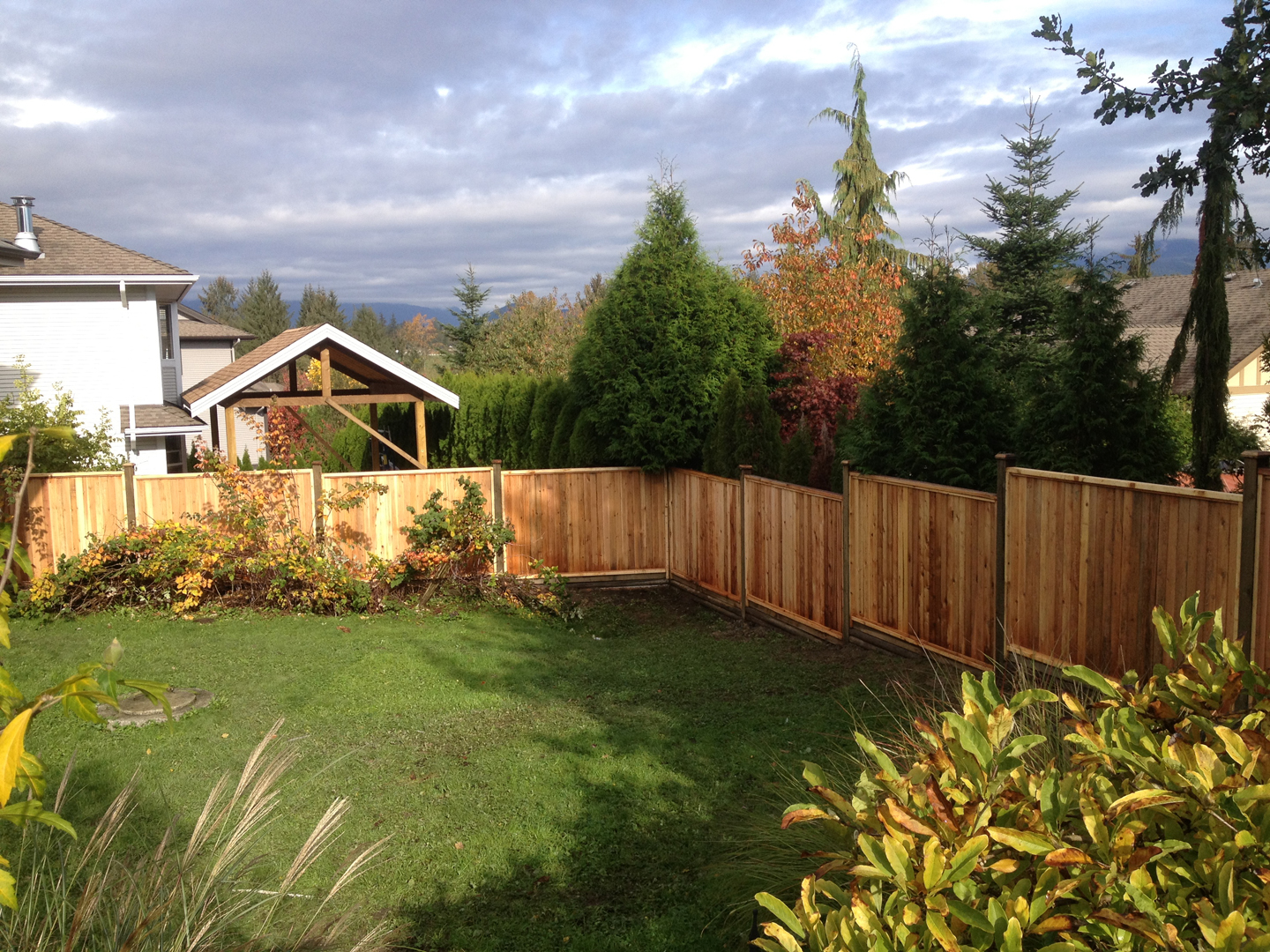
You’ve added a cedar fence to your property, and it’s stunning. Now you must maintain that strong and beautiful fence so that it continues to look great and function optimally. Although cedar is naturally resistant to insects and rot, it still needs ongoing care and attention in order to keep it looking its best and lasting for decades. Without proper care, even a beautiful cedar fence can begin to fade, warp, or grow mildew.
We are breaking down the most important things to keep in mind to maintain your cedar fence in optimal condition. Here’s everything you need to know about proper fence maintenance, so that you can protect your investment and enjoy a long-lasting fence that looks as good as ever.
Proper Maintenance Matters for Cedar Fences
It goes without saying that cedar fences are beautiful and aesthetically pleasing. Maintenance will protect its colour and natural beauty. However, fence maintenance isn’t just about how it looks; it’s about preserving the structural integrity of your cedar fence. While cedar is naturally resistant (thanks to its natural oils) to rot and insect damage, exposure to the elements (i.e. sun’s UV rays, rain, and snow) can cause cedar wood to gray, crack, or warp. Over time, moisture can settle in, leading to mildew or even rot. Regular upkeep can protect the fence’s lifespan. A properly maintained cedar fence can last up to 30 years! It’s an investment worth protecting.
How Often Should You Maintain Your Cedar Fence?
It’s recommended to do a maintenance routine every 3 to 5 years. This may include deep cleaning, reinforcements, sanding, resealing or staining. However, there are situations where this should be done more often. For example, if you live in areas with harsher climates (i.e. heavy rain, intense sun, or snowfall), you may want to do maintenance every other year. Seasonal visual inspections can help catch issues like mould, mildew, or loose boards early. As soon as you notice weathering, you may need to apply a fresh coat of sealer or stain to maintain your fence in its best condition.
Step-by-Step Guide to Cedar Fence Maintenance
Regular maintenance will keep your entire fence in great shape. Follow this step-by-step guide to get the best results:
Inspect the Fence
Look for any signs of mould, mildew, rot, or insect activity. Pay special attention to loose boards, rusted hardware, and cracked posts. Early detection helps prevent bigger issues later on.
Clean the Surface
Use a mild wood cleaner or a power washer on a low setting to remove dirt, mildew, and any old stains. Be careful not to damage the wood grain when using a pressure washer; instead, hold it several inches from the surface. A scrub brush and garden hose can also do the trick for lighter buildup.
Sand Rough Spots
Once the cedar fence surface is clean and dry, lightly sand any areas that feel rough or splintered from the cleaning process. This will help keep the new stain or sealant from flaking that leave exposed surfaces.
Apply a Wood Sealer or Stain
To protect your fence from moisture and UV rays, apply an oil-based sealant,water based film forming sealant, or a quality cedar wood stain & protective finish. Choose between a clear, semi-transparent, or solid stain depending on your desired look. Be sure to follow the manufacturer’s instructions for the staining process. This protective barrier will enhance the natural beauty of the wood while preventing rot and weathering.
Tighten or Replace Hardware
Check hinges, screws, nails, and latches on your cedar fence. Tighten anything loose and replace rusted or broken parts to maintain the structural integrity and functionality of the fence.
Keep the Base Clear
Remove weeds, nearby plants, and debris from the bottom of the fence. This keeps moisture from building up at the base and helps prevent rot and decay.
Natural Weathering in Cedar Fencing
It’s common for homeowners to notice splitting, twisting, or cracking in their new cedar fence and wonder if something’s wrong. The truth is, these are natural effects of weathering, especially in British Columbia’s changing climate. Moisture levels in softwood like cedar fluctuate with rain, humidity, and sun, especially during the first year as unseasoned wood begins to dry. These changes are not defects but normal behaviour as the wood adjusts to its outdoor environment.
Not Covered by a Warranty
Natural weathering effects such as twisting, cracking, or splitting are not covered by manufacturer or installation warranties. Even issues like rot or decay caused by wind or moisture exposure fall outside of standard warranty terms. It’s important to understand what is and isn’t included before assuming your new fence is protected.
3 Choices to Prevent or Slow Down Changes
There are quality control measures like material grade, design, and maintenance options per fence type that most fence installation companies will provide. Here are the key considerations and how they affect fencing.
Grade
Fence grade makes a huge difference. Lower-grade cedar typically includes lighter-colored, knotty sapwood that absorbs moisture more easily. Higher-grade cedar, known as Grade 1, has denser heartwood, which resists weathering better and often lasts longer.
Design
Professionally built fences use specific designs and quality cedar. A professional contractor will secure each piece tightly, preventing boards from falling or shifting due to warping. In contrast, fences built with tongue-and-groove panels and flimsy frames are more likely to have damaged boards sooner.
Treatments and Sealing Options
Applying a weatherproof sealant, oil-based sealer, or cedar stain after installation is one of the best ways to maintain your fence’s colour and resist damage. Alternatively, you can have all 6 sides of each piece of lumber treated before installation for optimal protection. Cedar fence sealing acts as a moisture and UV barrier, preserving the wood’s durability and aesthetic appeal. If you plan to stain your cedar fence, make sure the wood is dry and clean before starting.
Nature’s Impact on Softwood Fencing and Warranty Coverage
Changes caused by natural weathering are not covered by warranties. Even if you take steps to protect your cedar fence from these effects, the warranty will not apply in such cases. It is important to understand that these types of changes are part of the natural cycle and not a defect in the material. By understanding the natural effects of softwood products and taking proactive steps to protect your fence, you can help slow down or deter these changes over time.
For all projects, asking an experienced contractor is recommended so that you can rest assured you are making the best choice for your property.
If you’re in the Lower Mainland or Okanagan and looking for a contractor for your cedar fencing needs, or have any other landscaping projects, contact Frontline Fencing Ltd. and get your free estimate today!
Call 778-347-9473
Please note: This article is for informational purposes only and should not be considered legal advice. Please consult a qualified professional for advice specific to your situation.
FAQs
1. What is covered by a cedar fence warranty?
Most fence installation companies in BC only offer a warranty for their workmanship, not issues caused by weathering, rot, or natural wood behaviour. Therefore, you must take precautions to ensure your fence is strong enough to stand up to the climate and that it won’t fall apart quickly from normal use.
2. There are spaces between boards in my new cedar fence panels. Is this covered under a warranty?
No. Gaps between boards are a natural result of the wood expanding and contracting over time, due to changes in humidity. Natural changes are not covered by warranty, hence why routine checks can help catch issues early, avoiding costly repairs.
3. Does choosing a Grade 1 Cedar Fence Panel over a Grade 2 or 3 deter these weathering effects?
Although Grade 1 fence panels may look nicer, they will not stop weathering from happening. Weathering is a natural effect.
4. Are there different grades of hand-crafted cedar fences that are professionally built?
In this case, the grade is often only about the lumber’s appearance, and not the quality of the build. Hand-crafted cedar fences can be designed to deter the visual effects of weathering, like gaps in cedar panels, and the grade is the quality of the lumber’s appearance, like the number of knots.